70%
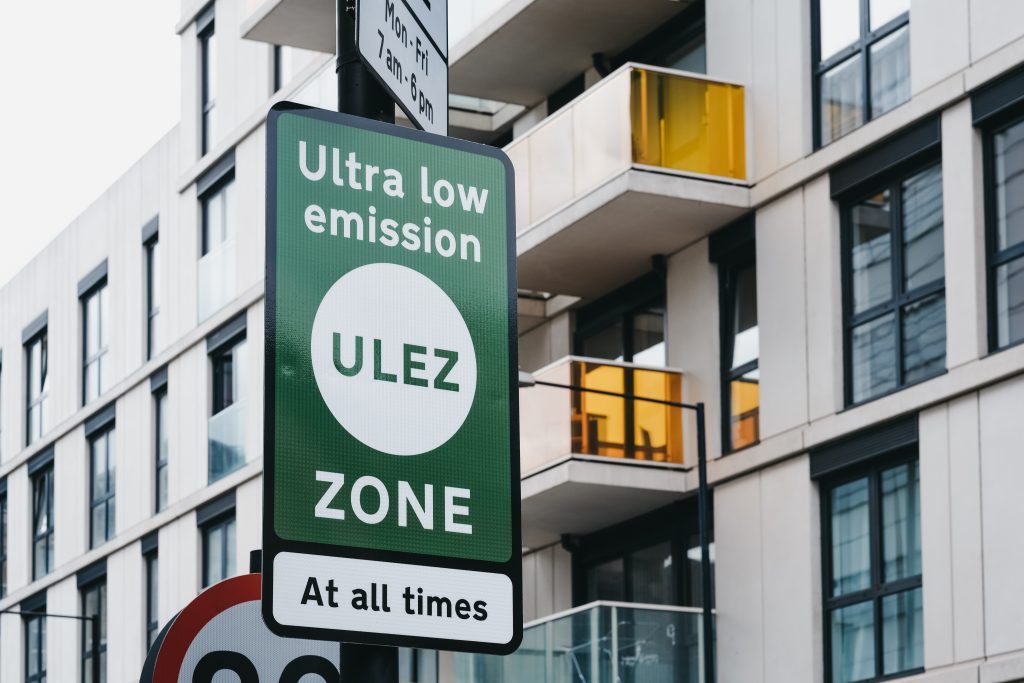
London is home of the world’s largest clean air zone, which includes the Ultra Low Emission Zone (ULEZ).
Cumulatively since 2019, it’s estimated that nitrogen oxides (NOx) emissions from road traffic fell 13,500 tonnes across London, a 23% reduction compared to what emissions would’ve been without ULEZ.1 Within the ULEZ itself, NOx emissions have been cut by 5,000 tonnes, a decrease of 26%.2
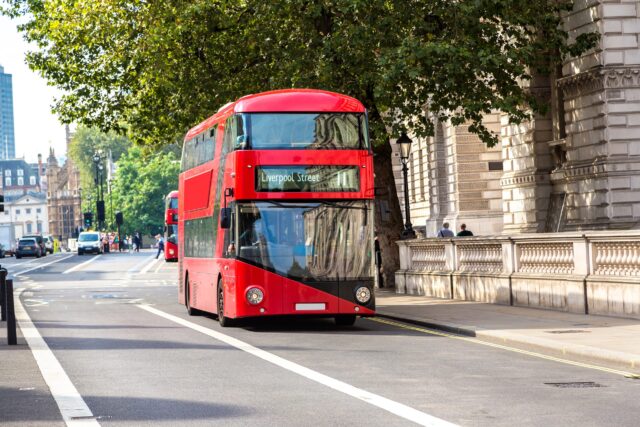
All types of vehicles contributed to this improvement, but buses led the way, with emissions from Transport for London’s (TfL) buses reduced by an impressive 70%.3
TfL’s zero-emission bus fleet is the largest in Western Europe, with more than 1,700 zero-emission buses now in service throughout London.4 Electrifying London’s bus fleet is key to the Mayor’s aims of making London a net-zeroNet ZeroReducing absolute greenhouse gas emissions to as close to zero as possible. This is done via reductions in core emissions (through process efficiencies and product adaptation) across a business’s Scope 1, Scope 2 and Scope 3 footprint. read more carbon city.
Establishing clean air zones, electrifying transportation and expanding public transportation access is key to achieving SDGUN Sustainable Development Goals (UN SDGs)The Sustainable Development Goals (SDGs), also known as the Global Goals, were adopted by the United Nations in 2015 as a universal call to action to end poverty, protect the planet, and ensure that by 2030 all people enjoy peace and prosperity. There are 17 goals. read more 11, sustainable cities and communities.
Matter of Facts are small insights into inspiring sustainable solutions.