
How many litres of water can one oyster clean in a day?
200 litres
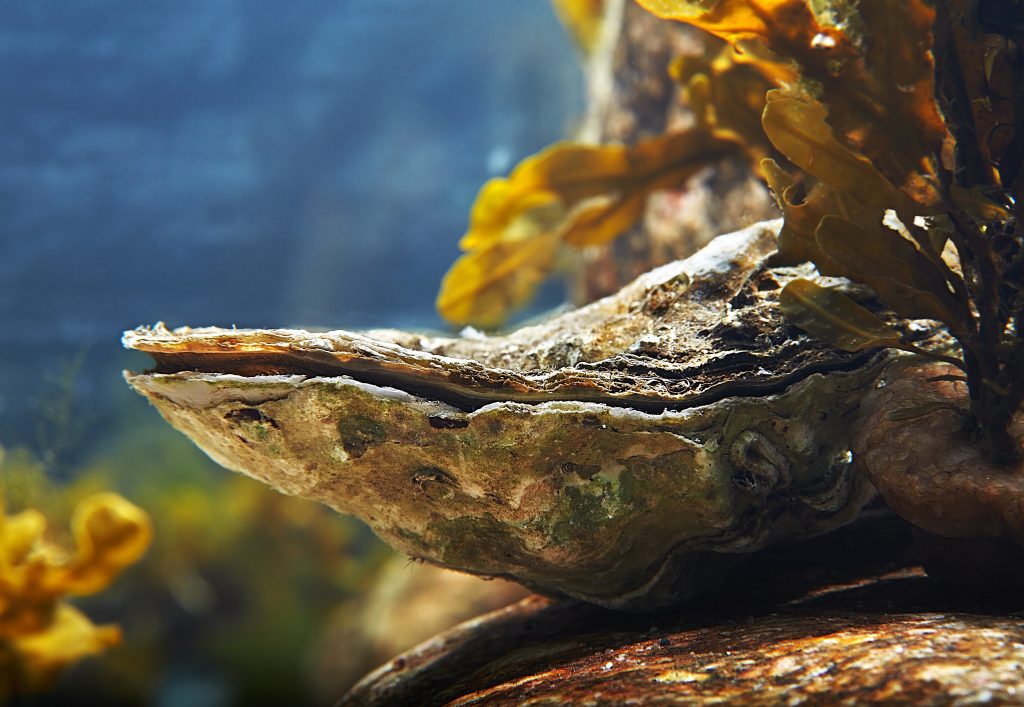
Oysters sit at the intersection of biodiversity, habitat conservation, and ocean health. As natural filter feeders, a single oyster can filter an average of 200 litres of water a day. 1 Their feeding helps remove excess nutrients, plankton, and microscopic particles, many of which are linked to human activity, like fertilisers or treated wastewater.
As they feed, oysters clean the water around them, preventing harmful algal blooms and dead zones while supporting the overall health of the marine environment.
Beyond water purification, oysters also support marine ecosystems in other ways. In some regions, they form reef-like structures that create shelter and breeding grounds for fish, crabs, and other marine life, helping to preserve biodiversity. These reefs can also help stabilise shorelines and buffer coastal areas against erosion, making oyster populations valuable in climate resilience.
Oysters, like many marine organisms, are threatened by the dual crises of climate change and overfishing. Investing in ocean health, biodiversity, and habitat restoration not only supports the resilience of marine life but also helps safeguard the natural systems we all depend on.
Matter of Facts are small insights into inspiring sustainable solutions.
Footnotes
-
Marine Conservation Society. Reintroducing Oysters.Scroll to footnote